


Ever found yourself stuck in a conversation? Someone can’t see your viewpoint at all. They’re trapped in their own limited worldview. That’s what happens when perspective disappears entirely.
Understanding the opposite of perspective matters more than you’d think. Writers need vocabulary variety. Students ace standardized tests with antonym knowledge. Professionals communicate with precision and clarity daily. Let’s explore what truly stands against perspective.
Meaning of Perspective
Perspective means your unique viewpoint on life. It’s how you see the world around you. Some people view challenges as opportunities for growth. Others see only obstacles blocking their path.
The word comes from Latin perspicere. It literally means “to see through” clearly. Artists use perspective to create depth on canvas. Psychologists discuss perspective-taking as emotional intelligence skill.
Three main definitions exist:
- Visual representation showing depth and distance
- Your mental outlook shaped by experiences
- Wisdom gained from reflecting on life events
“After traveling abroad, Maria gained fresh perspective.” “The architect drew buildings with perfect perspective.” “His childhood experiences shaped his adult perspective.” Notice how context changes the meaning completely?
Perspective in communication bridges understanding gaps. It helps you comprehend why people think differently. Clarity vs confusion depends on perspective awareness.
Why Knowing the Opposite of Perspective Matters
Communication precision demands antonym knowledge you can’t ignore. When you write, varied vocabulary keeps readers engaged. Academic papers require nuanced word choices beyond basic terms.
Debate skills sharpen dramatically with opposite concepts. You understand both sides of arguments better. Critical thinking improves when you recognize perspective’s absence. Business presentations become clearer with precise language choices.
Consider this real scenario: A manager described his employee as “lacking perspective.” HR questioned what he specifically meant. Did she show narrow-minded thinking? Was it tunnel vision mindset? Or simple lack of awareness? The vague language caused unnecessary confusion.
Professional writers rotate vocabulary strategically. Students boost SAT scores with extensive antonym knowledge. Creative writers craft richer characters through contrast. Understanding opposites creates balanced judgment in communication.
Antonyms of Perspective with Meaning And Example
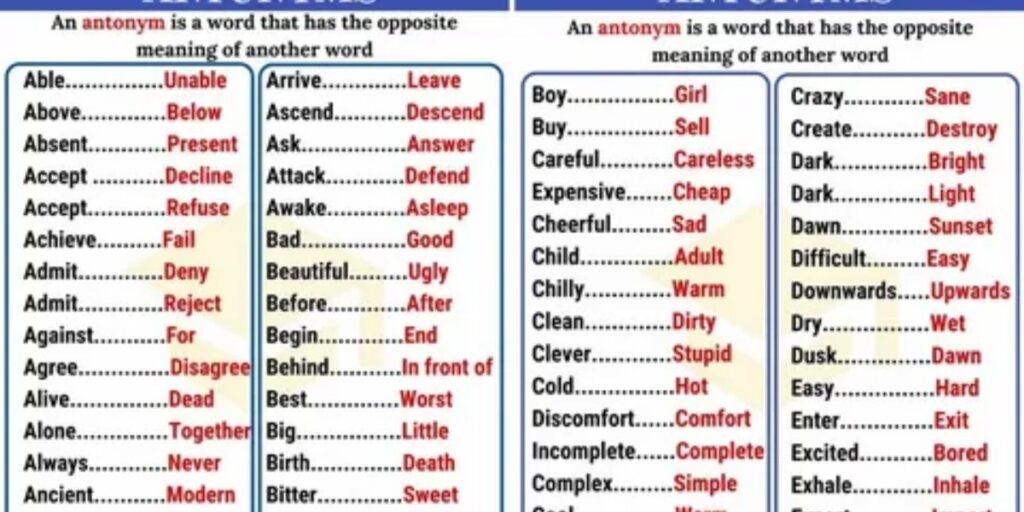
Let’s explore comprehensive antonyms with crystal-clear definitions. Each word captures perspective’s absence from unique angles.
Read This Article: Abbreviation for Foundation
1. Narrow-mindedness (noun)
Unwillingness to consider different viewpoints or ideas. This represents rigid thinking patterns that block growth.
- “His narrow-mindedness prevented him from accepting change.”
- “The committee’s narrow-mindedness killed innovative project proposals.”
- “She overcame her narrow-mindedness through diverse friendships.”
2. Myopia (noun)
Shortsighted thinking focused only on immediate concerns. Originally medical, now describes limited worldview metaphorically.
- “Corporate myopia led to their competitor advantage.”
- “His financial myopia caused long-term debt problems.”
- “Political myopia ignores future generation consequences entirely.”
3. Tunnel Vision (noun)
Extreme focus on single aspect while ignoring everything. This one-sided thinking misses crucial contextual information completely.
- “Her tunnel vision about grades damaged relationships.”
- “The team’s tunnel vision on profits ignored quality.”
- “Tunnel vision during negotiations destroyed potential partnership opportunities.”
4. Ignorance (noun)
Lack of knowledge, understanding, or awareness entirely. This represents absence of insight across topics broadly.
- “His ignorance about cultural differences caused offensive mistakes.”
- “Financial ignorance leads to poor retirement planning.”
- “Their willful ignorance prevented meaningful dialogue completely.”
5. Shortsightedness (noun)
Failure to see the bigger picture beyond immediate. This planning deficiency creates predictable future problems consistently.
- “Shortsightedness in environmental policy creates irreversible damage.”
- “Business shortsightedness sacrifices sustainability for quick profits.”
- “Personal shortsightedness prevents achieving meaningful long-term goals.”
6. Close-mindedness (noun)
Stubborn refusal to consider alternative viewpoints ever. This inflexible mindset blocks learning and adaptation entirely.
- “His close-mindedness ended productive team collaboration efforts.”
- “Religious close-mindedness prevents interfaith dialogue opportunities.”
- “Academic close-mindedness stifles scientific innovation and discovery.”
7. Dogmatism (noun)
Asserting opinions as absolute truth without evidence. This arrogance in communication damages credibility and relationships.
- “Political dogmatism polarizes communities unnecessarily and harmfully.”
- “Her dogmatism about parenting alienated other mothers.”
- “Scientific dogmatism historically delayed important medical breakthroughs.”
8. Prejudice (noun)
Preconceived judgment formed without adequate knowledge. This biased thinking distorts reality through emotional filters.
- “Racial prejudice creates systemic inequality across generations.”
- “His prejudice against young employees limited hiring.”
- “Gender prejudice still affects workplace promotion decisions.”
Emotional Antonyms of Perspective
Emotions powerfully block perspective when left unchecked. These antonyms describe emotional blindness preventing understanding.
Resentment
Bitter indignation from perceived unfair treatment. This emotional distortion colors all subsequent interpretations negatively.
- “His resentment toward management destroyed team morale.”
- “Long-held resentment prevented family reconciliation for decades.”
Arrogance
Exaggerated sense of importance blocking other viewpoints. This self-centered thinking assumes superiority over others constantly.
- “Her arrogance made her dismiss customer feedback.”
- “Executive arrogance caused the company’s catastrophic failure.”
Indifference
Complete lack of interest or concern entirely. This apathy toward others eliminates empathetic understanding completely.
- “His indifference to employee struggles increased turnover.”
- “Public indifference allowed preventable humanitarian crises.”
Denial
Refusal to accept reality despite overwhelming evidence. This denial of reality creates dangerous blind spots.
- “Her denial about addiction delayed necessary treatment.”
- “Climate denial ignores scientific consensus and observable data.”
Hostility
Active opposition blocking constructive dialogue entirely. This hostility in understanding prevents resolution.
- “His hostility toward criticism prevented professional growth.”
- “Political hostility replaced productive policy discussions completely.”
Behavioral Antonyms of Perspective
Actions reveal perspective’s absence more than words. These behaviors demonstrate closed-minded behavior in practice.
Stubbornness
Unreasonable determination to resist change or input. This stubborn behavior damages relationships and opportunities.
- “His stubbornness cost him the promotion opportunity.”
- “Team stubbornness prevented adopting superior methodology.”
Inflexibility
Inability to adapt when circumstances change. This rigidity creates reactive behavior instead of thoughtful responses.
- “Management inflexibility led to mass employee resignations.”
- “Her inflexibility in teaching methods failed struggling students.”
Dismissiveness
Treating others’ contributions as unimportant or irrelevant. This dismissive attitude destroys collaborative potential immediately.
- “His dismissiveness toward junior staff killed innovation.”
- “The dismissiveness shown in meetings demoralized teams.”
Obstinacy
Stubborn refusal despite clear contrary evidence. This extreme resistance to change ignores rational arguments.
- “Her obstinacy about outdated processes hurt efficiency.”
- “Board obstinacy prevented necessary modernization efforts completely.”
Contextual Antonyms of Perspective
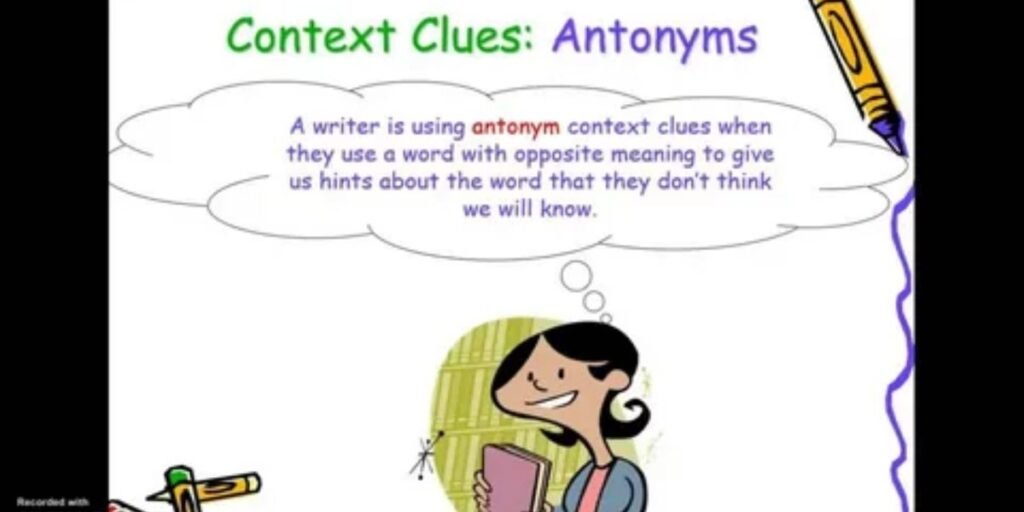
Context determines which antonym fits best always. Different situations demand specific vocabulary precision.
| Context | Best Antonym | Example Usage |
|---|---|---|
| Academic Writing | Reductionism | “His reductionism oversimplified complex economic theories.” |
| Business Communication | Short-term thinking | “Quarterly short-term thinking sacrificed research investment.” |
| Art Criticism | Flatness | “The painting’s flatness lacked dimensional depth.” |
| Psychology | Fixed mindset | “Her fixed mindset prevented skill development.” |
| Philosophy | Absolutism | “Moral absolutism ignores cultural context entirely.” |
| Politics | Parochial thinking | “Parochial thinking limited their international trade policy.” |
Academic contexts require formal precision language. Research papers use “cognitive bias” or “conceptual blindness” over casual terms. Scientific writing demands specificity beyond everyday vocabulary.
Business environments prefer results-focused language. “Tactical myopia” describes missing strategic opportunities. “Siloed thinking” explains departmental communication breakdowns perfectly.
Creative contexts allow metaphorical flexibility freely. Writers describe characters with “emotional narrowness” or “mental rigidity” to show personality flaws vividly.
Usage Rules for Antonyms of Perspective
Grammar rules govern proper antonym application. Follow these guidelines for maximum communication effectiveness.
Rule 1: Match Your Audience’s Formality Professional writing demands elevated vocabulary choices. Academic papers use “parochialism” instead of “narrow thinking.” Casual conversation allows simpler alternatives freely.
- Academic: “The study revealed inherent cognitive bias.”
- Casual: “He’s pretty close-minded about new ideas.”
Rule 2: Consider Intensity Levels Strong antonyms emphasize severity appropriately. Mild antonyms soften criticism when necessary.
- Strong: “His dogmatism destroyed team collaboration entirely.”
- Mild: “She showed some inflexibility in planning.”
Rule 3: Respect Connotation Differences Neutral words describe without judgment. Negative words imply moral failing clearly.
- Neutral: “He demonstrated limited awareness.”
- Negative: “His willful ignorance caused preventable harm.”
Rule 4: Context Dictates Selection Visual contexts need specific antonyms. Metaphorical contexts offer broader choices.
- Visual: “The sketch lacked proper perspective.”
- Metaphorical: “His narrow-mindedness limited career advancement.”
Common Mistakes When Using Antonyms of Perspective
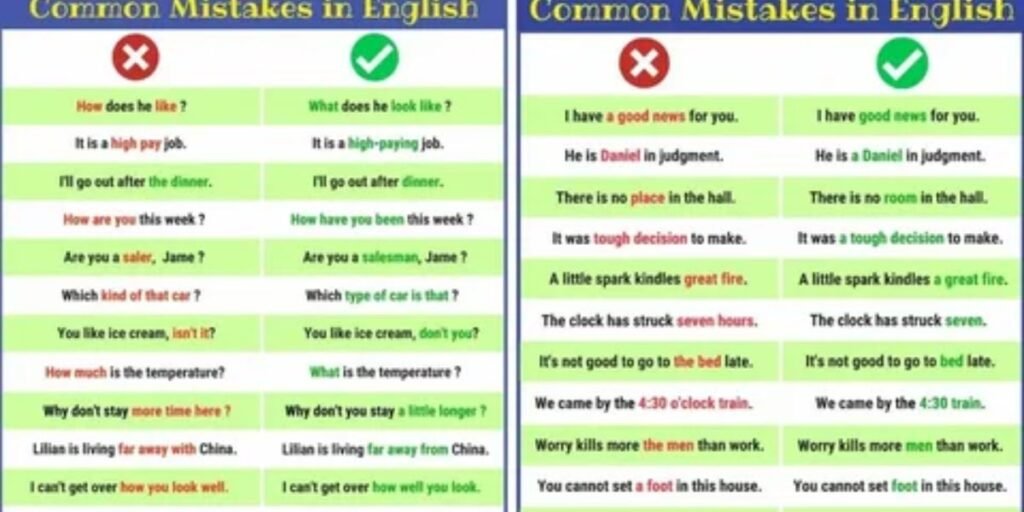
Writers frequently misapply perspective antonyms. Avoid these typical errors completely.
Mistake 1: Overusing “Ignorance”
Not every lack of perspective equals ignorance. Ignorance means missing information entirely. Narrow perspective means rejecting available information intentionally.
❌ Wrong: “His ignorance about other cultures…” ✅ Right: “His narrow-mindedness about other cultures…”
Mistake 2: Confusing “Myopia” with “Ignorance”
Myopia means shortsighted planning specifically. Ignorance vs understanding represents knowledge gaps. They’re not interchangeable terms.
❌ Wrong: “Her myopia about basic geography…” ✅ Right: “Her ignorance about basic geography…”
Mistake 3: Mismatching Formality Levels
Casual antonyms weaken professional writing significantly. Academic terms sound pretentious in conversation.
❌ Wrong (email): “Dude, your parochialism is showing.” ✅ Right (email): “Consider broadening your perspective here.”
Mistake 4: Ignoring Emotional Connotations
Words carry emotional weight beyond definitions. “Prejudice” sounds harsher than “biased thinking” unnecessarily.
❌ Wrong: “You’re prejudiced about remote work.” ✅ Right: “You seem biased against remote work.”
Mistake 5: Forgetting Context Clues
Surrounding words determine appropriate antonym choices. Read entire sentences before selecting words.
Antonyms of Perspective Quiz
Test your understanding with this interactive assessment. Challenge yourself honestly here.
Section 1: Multiple Choice
1. Which antonym best describes someone refusing new ideas?
- A) Myopia
- B) Close-mindedness
- C) Ignorance
- D) Resentment
2. What’s the best opposite in business context? “The CEO’s _____ prevented long-term planning.”
- A) Prejudice
- B) Arrogance
- C) Short-term thinking
- D) Hostility
3. Which represents emotional perspective absence?
- A) Tunnel vision
- B) Dogmatism
- C) Indifference
- D) Inflexibility
Section 2: Fill in the Blank
4. His _____ about climate science ignored overwhelming evidence. (dogmatism/ignorance)
5. The team’s _____ on quarterly profits damaged innovation. (tunnel vision/prejudice)
Section 3: True or False
6. “Myopia” always refers to medical vision problems. (True/False)
7. “Narrow-mindedness” and “close-mindedness” mean exactly the same. (True/False)
Answer Key:
- B | 2. C | 3. C | 4. dogmatism | 5. tunnel vision | 6. False | 7. True
Scoring:
- 7/7: Perspective expert with excellent understanding
- 5-6: Strong grasp with minor gaps
- 3-4: Review emotional and contextual sections
- 0-2: Reread article carefully and completely
FAQs
Q: What’s the most common opposite of perspective? “Narrow-mindedness” appears most frequently in writing. It describes unwillingness to consider alternative viewpoints. However, context determines the truly best choice.
Q: Is “ignorance” always opposite of perspective? No, ignorance represents lack of awareness entirely. Perspective involves understanding multiple viewpoints consciously. Someone can have knowledge but still lack perspective through biased thinking or emotional distortion.
Q: Can perspective have multiple opposites? Absolutely yes, context determines best antonym. Academic writing prefers different words than casual conversation. Emotional contexts need psychological terms specifically. Objective vs biased thinking requires distinct vocabulary.
Q: What’s difference between myopia and narrow-mindedness? Myopia specifically means shortsighted thinking about future. Narrow-mindedness means refusing to consider alternatives. Myopia involves time perspective. Narrow-mindedness involves idea rejection.
Q: How do I choose the right antonym? Analyze your context, audience, and purpose. Formal settings demand elevated vocabulary. Emotional situations need psychological terms. Always consider connotation alongside denotation carefully.
Q: Are these used in American English? Yes, all these antonyms appear regularly. American English embraces diverse vocabulary for precision. Regional variations exist minimally across states.
Conclusion
The opposite of perspective takes many forms. Narrow-mindedness, tunnel vision, and myopia describe different aspects. Emotional blindness, stubborn behavior, and one-sided thinking all represent perspective’s absence.
Understanding these antonyms sharpens your communication dramatically. Writers create richer content with vocabulary variety. Students excel on standardized tests with antonym knowledge. Professionals negotiate more effectively with precise language.
Key takeaways:
- Context determines best antonym selection
- Formality levels must match your audience
- Connotation matters as much as definition
- Emotional antonyms describe feelings blocking understanding
- Behavioral antonyms show perspective absence in action
Now you understand what truly opposes perspective. Practice using these antonyms in daily writing. Watch your communication precision improve dramatically. Share this article with someone struggling with limited perspective today.
Which antonym resonated most with you? Drop a comment describing when you’ve witnessed failure to see the bigger picture personally.
