
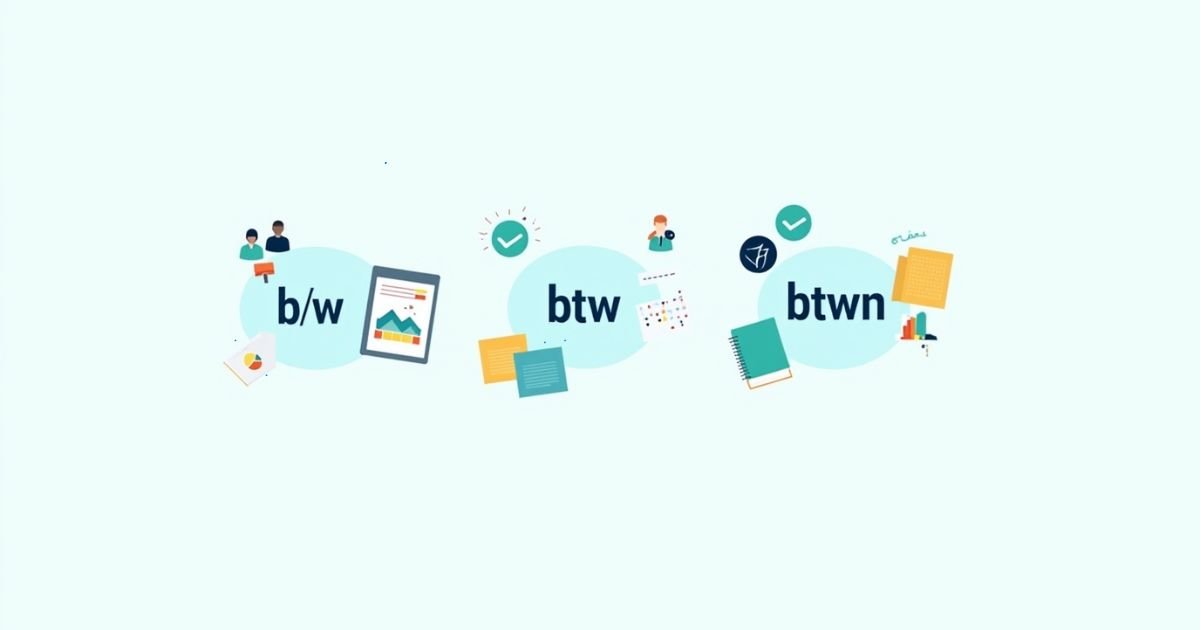

Ever found yourself typing “between” repeatedly and wishing for a shorter version? You’re not alone in this quest. The abbreviation for between varies depending on context. Understanding when and how to use these short forms can save time while maintaining clarity. Let’s dive into everything you need to know about abbreviating this common preposition.
What is the Abbreviation for Between?
The most common abbreviation for between is b/w. You’ll see this in professional and technical writing. Another popular form is btw, though this creates confusion. Why? Because “btw” typically means “by the way” in digital communication. A third option, btwn, removes vowels for brevity.
Here’s a quick reference guide:
| Abbreviation | Best Context | Formality Level |
|---|---|---|
| b/w | Technical, professional | Semi-formal |
| btw | Casual texting (risky) | Very informal |
| btwn | Notes, quick messages | Informal |
Each shorthand for between serves different purposes. Choose based on your audience and setting.
What Does Between Mean?
Between functions as a preposition in English. It indicates position, relationship, or connection involving two entities. You might describe spatial relationships: “The park sits between the library and café.” Or temporal ones: “Meet me between 3–4 p.m.”
The preposition between also expresses choices. “I’m torn between pizza and tacos” shows decision-making. Understanding this meaning of between helps you use abbreviations appropriately.
The History of the Word Between

Tracing back to Old English, “between” evolved from “betwēonum.” During the Middle English period, it transformed into “bitwene.” The pronunciation shifted gradually over centuries. Modern digital communication drove abbreviation creation. Space constraints and speed requirements made shorthand essential.
Read This Article: PMO Meaning Explained
Common Abbreviations for Between
Professional writing abbreviations differ from casual ones. In construction, architecture, and engineering fields, b/w dominates. Technical drawings use this form consistently. Informal writing abbreviations embrace “btw” more freely. However, academic writing typically avoids all abbreviated forms.
Texting abbreviations favor speed over formality. Young communicators use “btw” constantly. But professionals stick with b/w for clarity.
When to Use These Abbreviations
Context determines everything in abbreviation usage rules. Use b/w in diagrams, charts, and technical specifications. It works for note-taking during meetings. Avoid abbreviations in legal documents entirely. Academic writing usage demands full words always.
Casual conversation online welcomes “btw” naturally. But remember the confusion factor. When stakes are high, spell it out. Clarity in writing trumps brevity every time.
Pronunciation Guide for Between and Its Abbreviations
The pronunciation of between is /bɪˈtwiːn/. Stress falls on the second syllable. When reading b/w aloud, say “between” completely. Nobody pronounces it “bee-slash-double-you” in conversation. Pronunciation of btw gets spelled out: “bee-tee-double-you.”
Synonyms for Between

Alternative words include amid, among, and “in the middle of.” However, among vs between matters grammatically. “Between” involves two items only. “Among” requires three or more. Amid vs between shows similar distinctions. “Amid” suggests being surrounded rather than positioned precisely.
Usage of Between Abbreviation in Context
For Formal Writing
Formal writing rarely embraces abbreviations for between. Exceptions exist in technical writing shorthand. Space-saving becomes necessary in tables. Always maintain professional communication clarity as priority.
For Informal Writing
Informal messaging loves abbreviations enthusiastically. Text your friend: “Meet btw 5–6?” Perfectly acceptable there. Social media embraces this casualness.
Example Sentences with Abbreviations
Here are example sentences demonstrating proper usage:
- Technical: “Voltage range b/w 200–220V recommended”
- Casual: “Choose btw option A or B”
- Notes: “Meeting btwn departments scheduled Friday”
Abbreviation vs Full Word
Choosing b/w vs btw depends on setting. Professional contexts demand b/w if abbreviating. Personal texts allow “btw” freely. When uncertain, use the full form of between.
Between as an Acronym (Other Meanings)
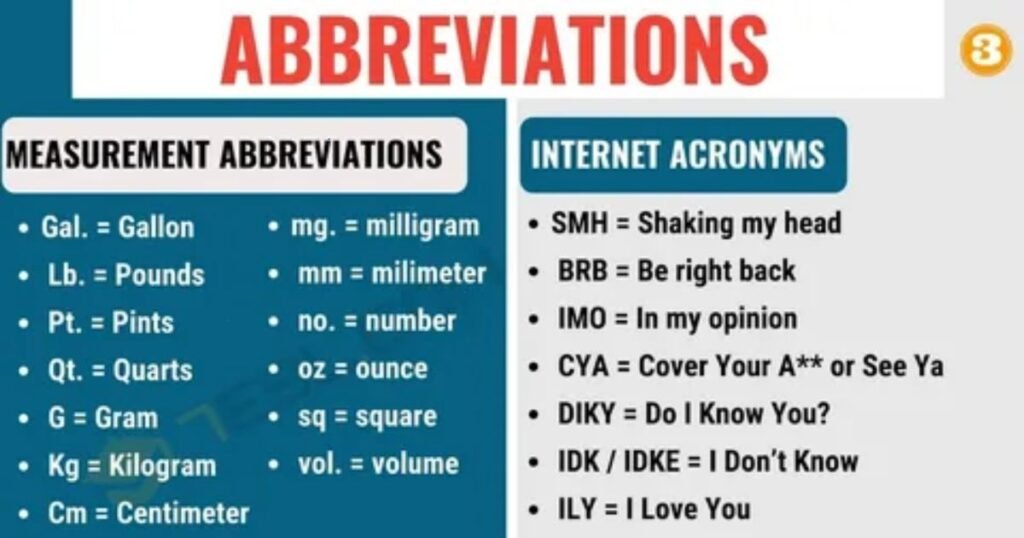
BTW carries multiple meanings beyond between. “By the way” dominates digital spaces. “Behind the wheel” appears in driving contexts. Always clarify which acronym meaning you intend.
Advantages and Disadvantages of Using Between Abbreviation
Advantages:
Space-saving writing helps in constrained environments. Speed increases during note-taking. Modern digital communication expects certain abbreviations.
Disadvantages:
Shorthand confusion creates misunderstandings frequently. Professional credibility suffers with overuse. Not everyone recognizes these forms. Abbreviation advantages and disadvantages require careful weighing.
FAQs
What is the abbreviation for between?
The most common form is b/w. Btw and btwn serve as alternatives.
Is b/w same as btw?
No—b/w suits professional settings better. Btw often means “by the way” instead.
Can I use abbreviations in academic writing?
Generally no. Academic standards require full words. Rare exceptions exist in technical fields.
Does btw always mean between?
No—context determines meaning entirely. “By the way” dominates casual messaging.
When to use between abbreviation?
Use in technical diagrams, informal notes, and space-limited contexts. Avoid in formal documents completely.
Conclusion
Mastering the abbreviation for between enhances your communication efficiency. Remember that b/w works best professionally. Btw suits casual texting despite confusion risks. Btwn offers middle ground occasionally. Always prioritize clarity over brevity. Know your audience before abbreviating. When doubt creeps in, spell it out. Your message matters more than saved characters. Apply this knowledge wisely across all English language writing.
