


You’ve seen it pop up everywhere. Someone’s phone dies at the worst moment. Traffic makes them late. Tech fails during crunch time. Then comes the text: “FFS.”
But what does FFS stand for exactly? Should you use it? Could it offend someone? This guide breaks down everything about this popular internet slang term.
What Does FFS Mean?
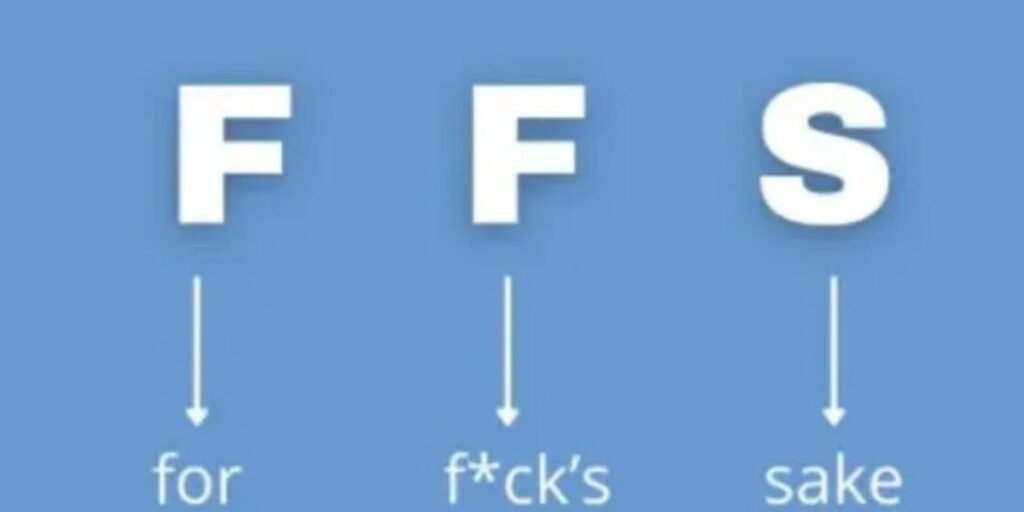
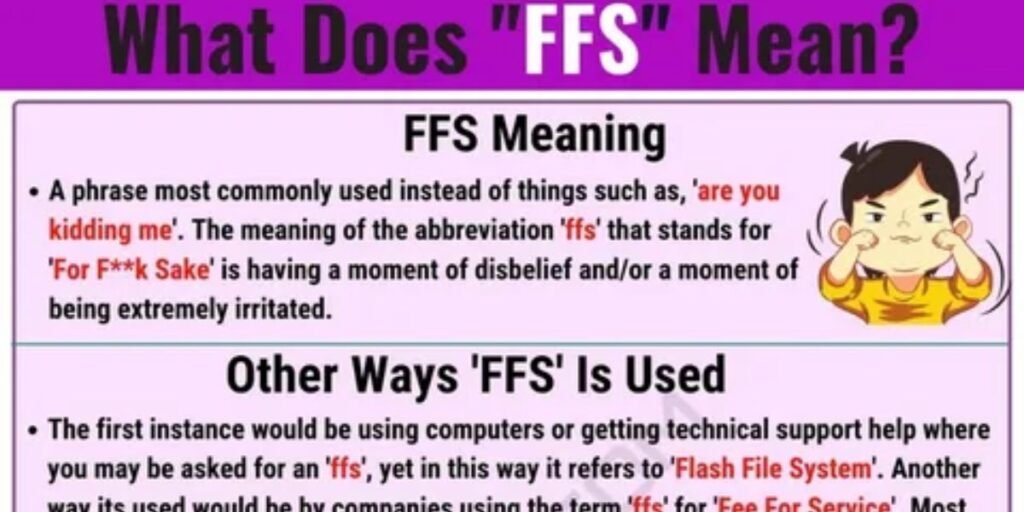
FFS stands for “For F*’s Sake.”** It’s a profanity-derived acronym expressing frustration. People use it when situations become absurdly annoying. Technology fails repeatedly. Plans collapse unexpectedly. Obvious mistakes happen constantly.
The emotional range includes irritation, exasperation, and disbelief. It’s stronger than mild annoyance. Less intense than genuine rage. Think of it as digital eye-rolling with edge.
This slang acronym FFS dominates casual online language. Gaming chats use it constantly. Social media posts feature it regularly. Text messages between friends include it naturally.
Origin of the Term
The phrase “for f***’s sake” existed long before texting. British English speakers used it verbally for decades. Commonwealth countries adopted it as common speech.
Internet culture transformed spoken frustration into typed abbreviation. Early forums and chat rooms (1990s-2000s) started acronym-izing everything. FFS emerged alongside OMG, WTF, and SMH.
Social media explosion spread FFS globally. What began as British slang became worldwide digital communication standard. Gaming culture particularly embraced expressing frustration through quick acronyms.
Common Usage in Texting and Online
FFS appears across platforms Instagram captions, Twitter rants, TikTok comments, Discord servers. People type it when expressing annoyance in texting feels necessary.
Typical scenarios include:
- Technology failing at critical moments
- Someone repeating identical mistakes
- Ignoring obvious solutions completely
- Plans collapsing for preventable reasons
- People stating painfully obvious things
Context determines everything. Close friends accept FFS naturally. Professional colleagues would find it inappropriate. Gaming chats expect strong language routinely.
Uppercase vs lowercase texting meaning matters too. “FFS” screams urgency. “ffs” whispers resigned irritation.
Read This Article: Opposite of Calm
Other Meanings of FFS
Context clues reveal intended meaning instantly. Professional discussions rarely involve frustration slang.
| Acronym | Full Meaning | Context | Example |
|---|---|---|---|
| FFS | For F***’s Sake | Casual/Slang | “FFS, not again!” |
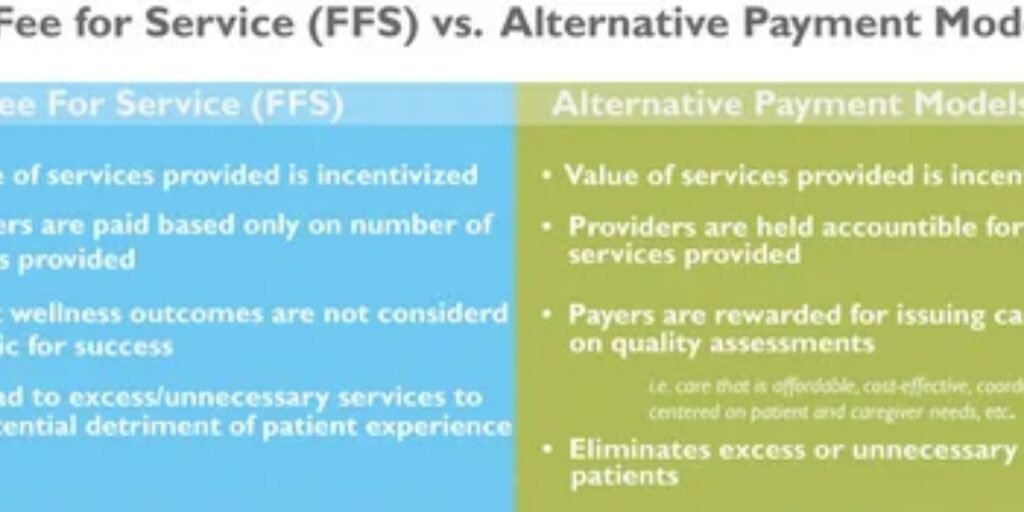
| FFS | Fee-For-Service | Healthcare | “Our clinic uses FFS billing” |
| FFS | Fast File System | Computing | “Unix systems run FFS architecture” |
| FFS | Final Fantasy Series | Gaming | “FFS fans loved that release” |
Medical research uses “Failure-Free Survival” rates. Automotive engineering discusses “Flexible Fuel Systems.” CAD software mentions “Free-Form Surfaces.”
Capitalization signals intent. All caps usually indicates frustration expression. Mixed case suggests technical terminology.
The Tone of FFS in Text
Written words lack vocal cues. Emotion gets lost without inflection. FFS carries significant weight regardless.
Relationship depth affects reception dramatically. Best friends tolerate casual profanity easily. New acquaintances might feel offended immediately.
Age factors matter tremendously. Younger generations find FFS mild. Older generations consider it disrespectful.
How FFS Conveys Emotion

FFS primarily signals exasperation. “I can’t believe this keeps happening.” Disbelief at incompetence follows closely.
Emotional layers include:
- Impatience with repeated issues
- Sarcastic commentary on minor inconveniences
- Genuine anger at serious problems
- Playful exaggeration among friends
Emoji combinations modify tone significantly. FFS 😤 reads genuinely angry. FFS 🙄 suggests eye-rolling annoyance. FFS 😂 indicates frustrated humor.
Punctuation amplifies intensity. “FFS!!!” screams real anger. “ffs…” trails into resignation.
Inspiration vs. Insensitivity
Walking this line requires awareness. Expression shouldn’t become offense.
FFS works appropriately with:
- Close friends sharing similar communication styles
- Casual group chats with established norms
- Gaming communities accepting relaxed language standards
- Trusted confidants during genuine venting
FFS crosses lines with:
- Professional work communications anywhere (emails, Slack, Teams)
- Parents, grandparents, authority figures
- Public posts viewable by employers
- First-time interactions with new people
- Educational or academic discussions
Real consequences exist. People lose opportunities over casual online language mistakes. Self-awareness prevents professional damage.
Examples of FFS in Real Life

In Texting and Social Media Posts
Technology frustration: “FFS, my phone froze right before I hit send 😤”
Repeated mistake: “FFS Jake, that’s three times you’ve left it unlocked”
Social media commentary on FFS on Twitter: “FFS, they scheduled maintenance during peak hours again 🙄”
Gaming context: “FFS, you had one job protect the healer!”
Self-deprecating humor: “FFS, I’ve been wearing my shirt inside-out all day 😂”
Platform-specific patterns emerge clearly. Twitter features news reactions. Instagram Stories show daily frustrations. Discord sees constant usage. LinkedIn never includes it.
In Casual Conversations
Spoken usage differs from written. Most people say the full phrase aloud. Pronunciation varies “For FUCK’S sake” stresses different syllables.
Tone changes everything. Joking delivery sounds playful. Shouting signals genuine anger. Quiet muttering shows resignation.
Appropriate spoken example: Friends watching sports together, team misses easy shot. “Oh FFS, how did he miss?!”
Inappropriate example: Team meeting discussing delays. “FFS, this is the third delay!” Career-damaging move immediately.
Alternatives to FFS
Not every situation tolerates profanity awareness. Having polite alternatives to FFS maintains relationships.
Polite Alternatives
Family-friendly options:
- “For crying out loud” (classic expression)
- “Good grief” (universally acceptable)
- “Seriously?” (questions absurdity cleanly)
- “Are you kidding me?” (works anywhere)
- “This is ridiculous” (states frustration plainly)
These work perfectly for family gatherings. Community groups appreciate them. Public social media stays safe.
Professional Alternatives
Workplace-appropriate expressions:
- “This is concerning” (flags issues professionally)
- “We need to address this” (action-focused tone)
- “I’m frustrated by this pattern” (honest but appropriate)
- “This requires immediate attention” (urgency without anger)
Email communications demand formal language. Meetings require diplomatic phrasing. Professional tone online protects career advancement.
Casual Alternatives
Friend-appropriate substitutes:
- “Ugh, seriously” (conveys frustration cleanly)
- “Come on” (simple exasperation)
- “Bruh” (modern frustration indicator)
- “I’m so done” (contemporary exhaustion expression)
Emoji alternatives work brilliantly: 😤🙄😩💀🤦♂️
Related modern slang includes “smh” (shaking my head), “bruh moment,” and “I can’t even.”
How to Choose the Right Alternative (Tone Matters)
Decision-making requires situational awareness always.
Assessment questions:
Who’s your audience? Close friends tolerate casual language. Coworkers demand professional standards. Public posts need conservative approach.
What’s the platform? Private texts offer flexibility. Work chats require formality. Social media assumes screenshot risks.
What’s the relationship context? Established friendships have shared norms. New relationships need rapport-building first. Power dynamics matter never use FFS upward.
Quick decision flowchart:
Professional context? → YES → Professional alternatives only
Profanity-sensitive audience? → YES → Polite alternatives
Could be shared publicly? → YES → Polite alternatives
None of above? → FFS or casual alternatives acceptable
When uncertain, go politer. You can’t unsend messages. Respect over expression always.
10 Examples of FFS and Its Alternatives in Text
1. Tech frustration:
- FFS version: “FFS, computer blue-screened again 😤”
- Professional: “Experiencing another system failure”
2. Traffic delay:
- FFS version: “FFS, accident blocking everything”
- Professional: “Delayed due to highway closure”
3. Repeated error:
- Never: “FFS Tom, third time this week”
- Professional: “Noticing recurring issue we should discuss”
4. Streaming buffer:
- FFS version: “FFS Netflix, perfect timing 🙄”
- Casual: “Oh come on, not now!”
5. Forgotten wallet:
- FFS version: “FFS, left wallet home”
- Polite: “Ugh, seriously forgot my wallet”
Related Terms and Synonyms of FFS
Similar frustration acronyms:
WTF (What The F*):** Questions incomprehensible events. FFS reacts to understandable annoyances.
SMH (Shaking My Head): Milder disappointment expression. Much gentler than FFS.
OMG (Oh My God): Versatile positive or negative. FFS stays negative always.
Intensity comparison:
Mild → Moderate → Strong
OMG → SMH → FFS/WTF
FAQs
Is FFS considered offensive? Yes, absolutely it’s profanity-derived. Acronym format doesn’t eliminate offense. Professional settings classify it as inappropriate always.
Can I use FFS at work? No, avoid it completely. Emails, Slack, meetings, casual office talk all inappropriate. Career damage risks aren’t worth it.
What’s the difference between FFS and WTF? WTF communicates shock and confusion. FFS expresses exasperation at predictable annoyances.
Are there situations where FFS is acceptable? Yes private texts with close friends, gaming communities, personal venting journals. Ensure audience won’t be offended first.
What if I accidentally sent FFS to someone inappropriate? Address immediately. “Apologies for that language inappropriate of me.” Brief acknowledgment works best.
Conclusion
FFS stands for “For F***’s Sake” profanity-based frustration expression. It signals exasperation, annoyance, and disbelief effectively.
Use it with close friends and casual settings. Avoid it in professional communications entirely. Family dynamics dictate appropriateness there.
Key takeaways: Know your audience before typing. Professional contexts require avoidance completely. Public posts carry screenshot risks always.
When uncertain, choose politer alternatives consistently. Your reputation matters more than perfect venting. Communication effectiveness requires matching language to context appropriately.
Express frustration authentically without damaging important connections. Balance honesty with audience respect. Your choice matters choose words reflecting who you want to be.
