


You’re writing an essay, finishing a report, or wrapping up a professional email and you catch yourself typing “this shows” for the fifth time in three paragraphs. Sound familiar? It happens to the best writers. The phrase works fine but leaning on it too heavily makes your writing feel flat and repetitive.
The good news? English gives you a rich toolkit of alternatives to “this shows” that are sharper, more precise, and far more impressive. Whether you’re crafting an academic essay, a business report, or a thoughtful email, the right substitute can transform a decent sentence into a genuinely compelling one.
Here are 20 powerful synonyms for “this shows” each with clear explanations, formality levels, and real example sentences you can use right away.
What Does “This Shows” Mean?
Before exploring the alternatives, it helps to understand exactly what “this shows” does in a sentence. At its core, it’s a transition phrase that connects evidence to conclusion. It tells your reader: here’s what this piece of information means.
Grammatically, “this” acts as a demonstrative pronoun pointing back to something just mentioned. “Shows” functions as the main reporting verb indicating that evidence, data, or an observation is being interpreted.
You’ll spot it across several writing contexts:
- Essay writing: “The character’s actions this shows a pattern of self-sabotage.”
- Report writing: “This shows that the strategy delivered measurable results.”
- Professional communication: “This shows our team’s commitment to meeting deadlines.”
- Casual explanation: “This shows why I made that decision.”
The phrase isn’t wrong. It’s just overused and overuse signals limited vocabulary enhancement to readers, graders, and colleagues who notice these things. Swapping it out for a more precise alternative immediately elevates your writing style.
Is It Professional or Polite to Say “This Shows”?
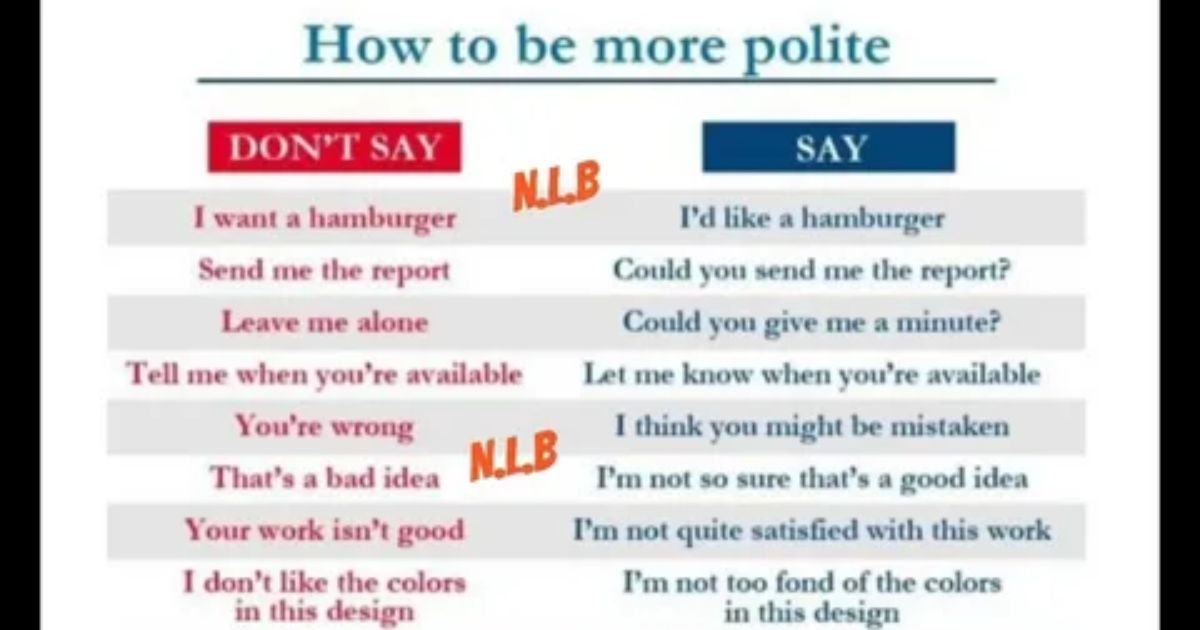
Absolutely “this shows” is grammatically correct and professionally appropriate. The issue isn’t correctness; it’s precision and variety.
Think of it like this: a chef who seasons every dish with only salt isn’t making mistakes. They’re just missing the whole spice rack.
Different contexts call for different levels of formality and different shades of meaning:
| Context | Better Alternative |
|---|---|
| Academic essays | This demonstrates, This illustrates, This suggests |
| Business reports | This confirms, This indicates, This underscores |
| Professional emails | This reflects, This highlights, This signals |
| Creative writing | This reveals, This conveys, This sheds light on |
| Data analysis | This indicates, This points to, This proves |
Choosing the right professional synonym for “this shows” signals that you understand not just what the evidence means but how strongly it means it. That’s the difference between adequate writing and genuinely polished writing.
Read This Article: RD in Text
Synonyms For “This Shows”
Here are 20 carefully chosen alternatives to “this shows” ranging from formal to conversational, with examples across multiple writing contexts.
1. This Demonstrates
Formality level: Formal
“Demonstrates” is one of the strongest formal alternatives to “this shows.” It implies active, compelling proof the evidence does the work. Use it when your support is solid and your conclusion is clear.
“The consistent quarterly growth demonstrates that the new pricing strategy is working.” “Her commitment to revision demonstrates a mature understanding of the writing process.”
Perfect for: academic writing, business reports, performance evaluations.
2. This Indicates
Formality level: Formal
“Indicates” is slightly more tentative than “demonstrates” and that’s actually a strength. It signals careful analytical writing without overclaiming. Excellent for data interpretation where some uncertainty remains.
“The survey results indicate a growing preference for flexible work arrangements.” “A drop in click-through rates indicates that the current headline isn’t resonating.”
Perfect for: scientific writing, market analysis, research reports.
3. This Suggests
Formality level: Semi-formal
“Suggests” is the phrase of the intellectually honest writer. It presents evidence without forcing a definitive conclusion ideal when data points in a direction without fully sealing the argument. Professors love this word in essays because it shows nuance.
“The early findings suggest a meaningful link between sleep quality and decision-making.” “His hesitation suggests that the timeline may need revisiting.”
Perfect for: academic essay writing, hypothesis-based analysis, thoughtful professional communication.
4. This Reflects
Formality level: Semi-formal
“Reflects” implies that evidence mirrors something deeper a value, attitude, or condition already present but now visible through this particular piece of information. It’s especially powerful in discussions about culture, character, or organizational behavior.
“The high turnover rate reflects deeper issues with team morale.” “Her dedication reflects a genuine passion for the subject matter.”
Perfect for: cultural analysis, reflective writing, leadership evaluations, HR reports.
5. This Reveals
Formality level: Semi-formal to formal
“Reveals” carries a sense of unveiling as if the evidence exposes something that wasn’t immediately obvious. It adds genuine drama to a sentence without being melodramatic. Use it when a revelation deserves to feel like one.
“A closer look at the data reveals an unexpected pattern in customer behavior.” “The interview transcript reveals a clear gap between public statements and internal decisions.”
Perfect for: investigative writing, analytical writing, essay writing, compelling business reports.
6. This Highlights
Formality level: Semi-formal
“Highlights” draws a spotlight onto something particularly important. It frames evidence as noteworthy worth pausing on. Think of it as your written equivalent of using a yellow marker across a key sentence.
“The comparison highlights the gap between policy intention and real-world outcomes.” “This data highlights the urgent need for additional staffing in the support team.”
Perfect for: presentations, business writing, journalism, report writing.
7. This Proves

Formality level: Formal
The most assertive option on this list. “Proves” claims definitive, airtight evidence no remaining doubt. Use it only when your support is genuinely conclusive. Overusing “proves” when evidence is merely suggestive actually weakens your argument.
“The DNA analysis proves beyond reasonable doubt that the defendant was present.” “Three consecutive successful quarters prove that the restructuring delivered results.”
Perfect for: legal writing, mathematical proofs, scientific conclusions with strong consensus.
8. This Represents
Formality level: Semi-formal to formal
“Represents” frames evidence as a symbol of something larger. One specific example stands in for a broader pattern or phenomenon making it ideal for case studies and illustrative examples.
“This achievement represents a major milestone in the company’s sustainability journey.” “Her story represents the experience of thousands of first-generation college students.”
Perfect for: persuasive writing, case studies, strategic business communication.
9. This Clarifies
Formality level: Semi-formal
“Clarifies” suggests the evidence resolves confusion or corrects a misunderstanding. It positions your information as illuminating rather than simply supporting ideal when your audience may have held a different understanding before reading your argument.
“The new research clarifies the relationship between inflammation and cognitive decline.” “This addendum clarifies the responsibilities of each party under the agreement.”
Perfect for: professional emails, educational writing, legal and contractual communication.
10. This Emphasizes
Formality level: Semi-formal to formal
“Emphasizes” signals that the evidence reinforces a point already made amplifying it rather than introducing something new. It’s the word equivalent of saying: and this makes it even clearer.
“The recurring complaints emphasize the need for a systemic response.” “These results emphasize why mental health support in schools isn’t optional.”
Perfect for: persuasive writing, advocacy communication, argumentative essays.
11. This Confirms
Formality level: Formal
“Confirms” delivers the satisfying payoff of expectation meeting reality. It validates something previously suspected, predicted, or stated making it excellent for research writing where earlier hypotheses get tested.
“The audit findings confirm that internal controls are operating effectively.” “This outcome confirms what previous studies had predicted about urban migration.”
Perfect for: research papers, business reports, evidence-based writing, scientific communication.
12. This Illustrates
Formality level: Semi-formal
“Illustrates” paints a picture. It takes abstract concepts and makes them concrete through specific examples. Of all the academic writing phrases on this list, “illustrates” best captures the relationship between a specific example and a broader argument.
“The classroom experiment illustrates how children naturally develop collaborative instincts.” “Her career path illustrates the real opportunities that mentorship programs create.”
Perfect for: essay writing, educational content, case-study analysis, storytelling-driven professional writing.
13. This Signals
Formality level: Semi-formal
“Signals” is inherently forward-looking. Rather than describing what evidence confirms about the past, it points toward what evidence implies about what’s coming. Use it in trend analysis and forward-facing strategic communication.
“The increase in applications signals growing market confidence in the program.” “Repeated complaints in exit interviews signal a systemic issue that demands immediate attention.”
Perfect for: market analysis, strategic planning, business writing, leadership communication.
14. This Conveys
Formality level: Semi-formal
“Conveys” focuses on how meaning, emotion, or tone is transmitted making it the right choice when you’re analyzing how something communicates rather than simply what it proves. It’s the most expressive option on this list.
“The author’s imagery conveys a profound and unsettling sense of isolation.” “His measured tone conveys confidence without crossing into arrogance.”
Perfect for: literary analysis, brand communication, expressive language, communication studies.
15. This Points To

Formality level: Semi-formal to casual
“Points to” builds arguments incrementally suggesting direction rather than claiming arrival. It’s slightly more conversational than many other options here but still carries analytical weight. Great for transition phrases in accessible professional writing.
“All the available evidence points to a fundamental breakdown in communication.” “The trend points to a significant shift in how younger audiences consume content.”
Perfect for: journalism, accessible business writing, professional emails, blog writing.
16. This Brings Out
Formality level: Casual to semi-formal
“Brings out” suggests that evidence draws attention to a quality already present but not yet visible. It has a warmer, more human quality than other options making it particularly suited to writing about people and their characteristics.
“Working under pressure really brings out his strongest problem-solving instincts.” “The analysis brings out subtle differences that aren’t obvious at first glance.”
Perfect for: coaching conversations, performance feedback, heartfelt communication, accessible professional writing.
17. This Underscores
Formality level: Formal
“Underscores” carries genuine gravitas. It’s the word you reach for when a point is not just important but critical foundational to the entire argument. Reserve it for your most non-negotiable conclusions.
“The incident underscores the urgent need for a comprehensive safety review.” “These findings underscore why early childhood investment can’t be delayed further.”
Perfect for: executive reports, formal academic writing, high-stakes professional communication.
18. This Depicts
Formality level: Semi-formal
“Depicts” carries a visual and representational quality describing how something is portrayed rather than simply what it proves. It’s most at home in literary, historical, or media analysis.
“The photograph depicts the stark contrast between urban development and natural landscape.” “This chart depicts the uneven distribution of resources across regional offices.”
Perfect for: literary analysis, art criticism, data visualization descriptions, media studies.
19. This Expresses
Formality level: Semi-formal
“Expresses” focuses on outward articulation of inner values, feelings, or positions. When the human or emotional dimension of your evidence matters, this is the phrase that honors it.
“The company’s policy expresses a genuine commitment to employee well-being.” “His writing expresses a deep ambivalence about the world he grew up in.”
Perfect for: personal essays, emotional writing, brand communication, thoughtful professional writing.
20. This Sheds Light On
Formality level: Semi-formal
The most metaphorically rich option on the entire list. “Sheds light on” implies genuine illumination the evidence doesn’t just support a point, it opens up new understanding of something previously unclear or overlooked.
“This research sheds light on the psychological factors driving repeat purchasing behavior.” “Her memoir sheds light on a chapter of history that mainstream accounts have largely ignored.”
Perfect for: journalism, analytical writing, thoughtful essay writing, non-fiction storytelling.
Conclusion
Varied vocabulary isn’t about sounding impressive for its own sake. It’s about being precise choosing the word that matches exactly how strong your evidence is, exactly how formal your context calls for, and exactly what kind of meaning you’re drawing out.
Here’s a quick decision guide:
| Your Goal | Best Alternative |
|---|---|
| Strong, definitive proof | This demonstrates / This proves |
| Careful, honest analysis | This suggests / This indicates |
| Emphasis on importance | This underscores / This emphasizes |
| Uncovering something new | This reveals / This sheds light on |
| Making it concrete | This illustrates / This depicts |
| Forward-looking analysis | This signals / This points to |
| Emotional or expressive writing | This conveys / This expresses |
Bookmark this list. Come back to it every time “this shows” appears one too many times in your draft. Your writing whether it’s an essay, a report, or a professional email will be stronger for it.
FAQs
What can I use instead of saying “this shows”?
Strong alternatives to “this shows” include “this demonstrates,” “this indicates,” “this reveals,” “this suggests,” “this highlights,” and “this underscores.” Each carries a slightly different strength and formality level choose based on how strong your evidence is and how formal your context requires.
What is another way to say this example shows?
Try “this example illustrates,” “this example demonstrates,” or “this example highlights.” Of these, “illustrates” is the strongest choice in academic writing because it specifically implies using a concrete example to clarify a broader point.
What is a better way of saying shows?
It depends entirely on what you’re trying to communicate:
- For strong proof: “demonstrates” or “proves”
- For careful analysis: “indicates” or “suggests”
- For emphasis: “underscores” or “highlights”
- For revelation: “reveals” or “sheds light on”
- For illustration: “illustrates” or “depicts”
What to say other than “this shows” in an essay?
In academic essay writing, the strongest alternatives are “this demonstrates,” “this suggests,” “this illustrates,” and “this reveals.” Avoid overusing “this proves” unless your evidence is truly conclusive graders specifically reward intellectual honesty, and “suggests” or “indicates” signal that you understand the limits of your evidence. That’s not weakness; that’s sophisticated analytical writing.
